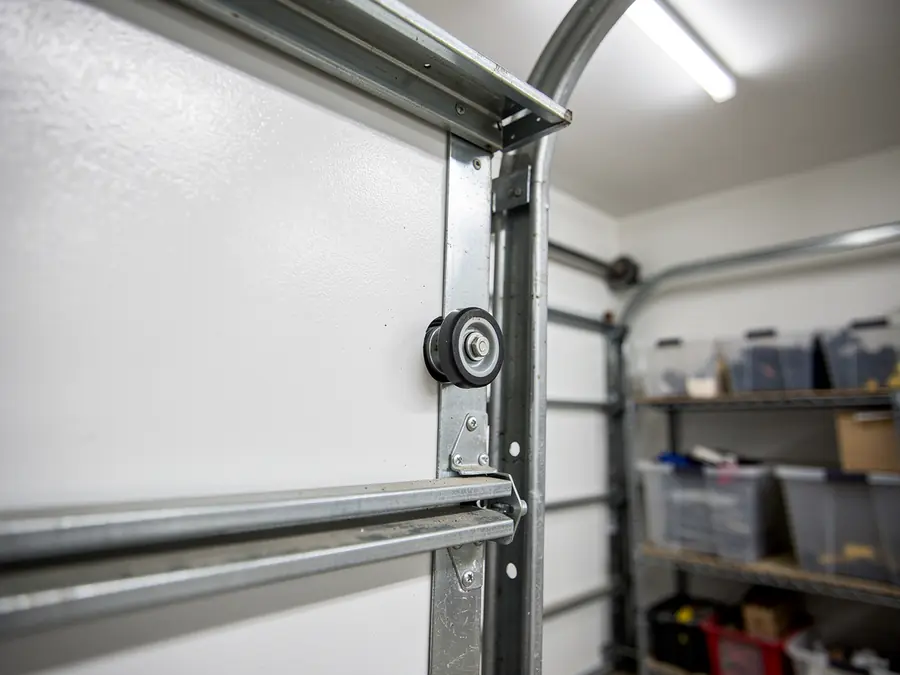
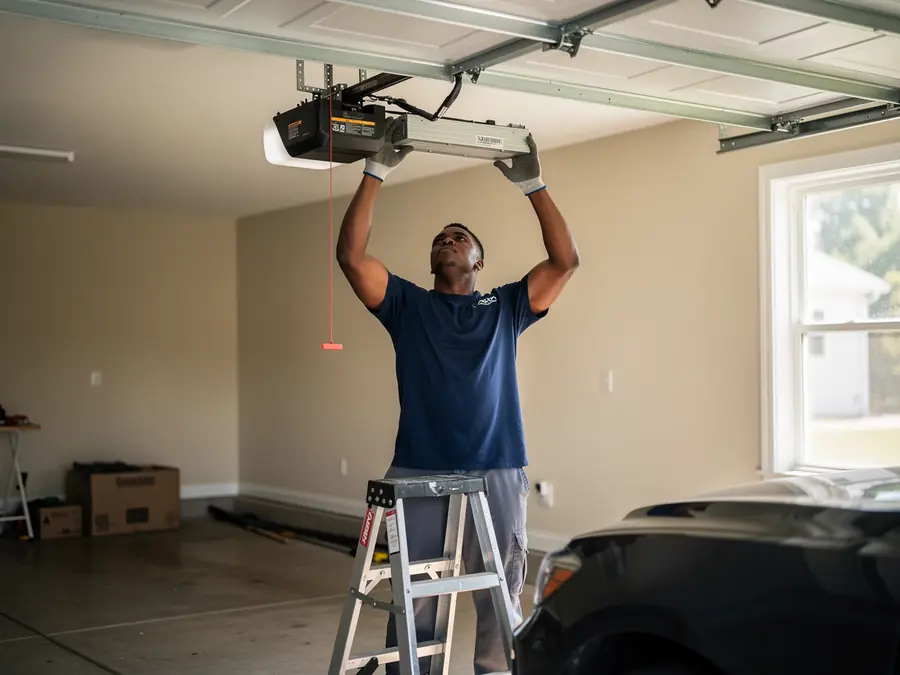
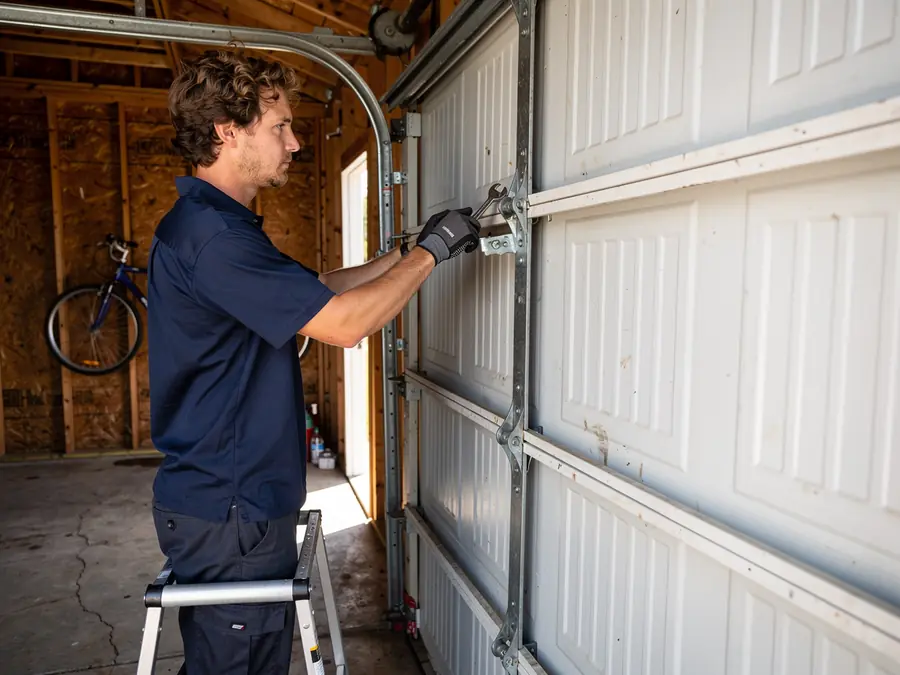
Durham's housing stock is the whole story. Across the seven named areas that make up most of this market, construction runs from 1967 through 2006 with a median build year around 1991 - which means a huge share of the doors we're called to replace are thirty-plus years old and were never insulated to begin with, because insulated residential doors weren't standard builder spec in that era. Pair that with a cold-moderate climate band and you get doors that were fine for decades and are now failing all at once: steel fatigues, foam backing degrades, and torsion springs rated for a lighter door start to sag under cycles they weren't built for. With 9,094 owner-occupied houses among 30,655 households across the area, that's a large base of original doors reaching the same age at roughly the same time. A house in Hope Valley from the early 90s and one out in Northeast Durham from the same build decade are running the same aging rollers and the same undersized springs - it's not bad luck, it's the calendar catching up with the housing stock.