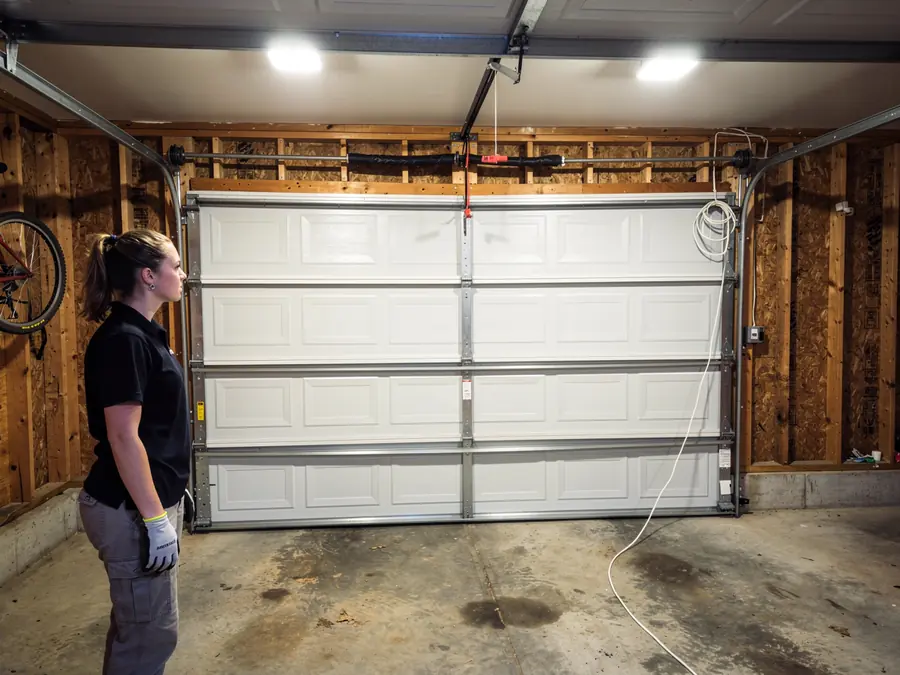
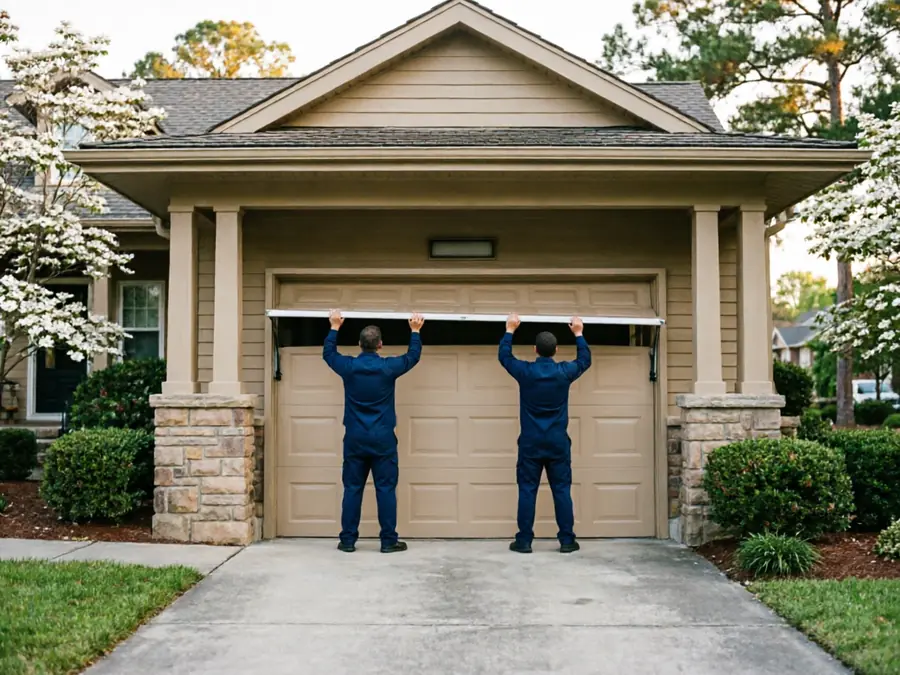
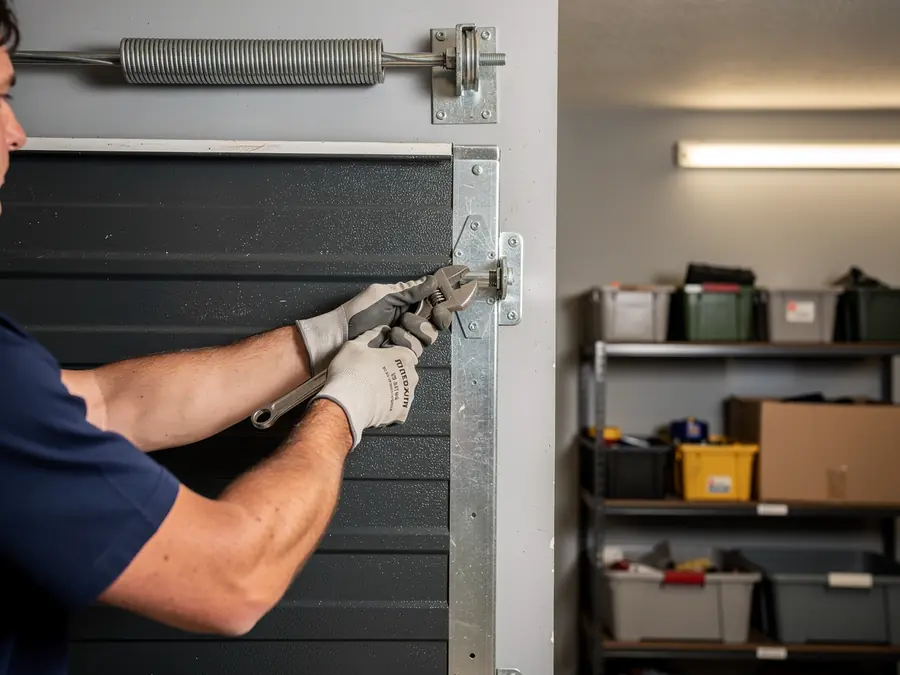
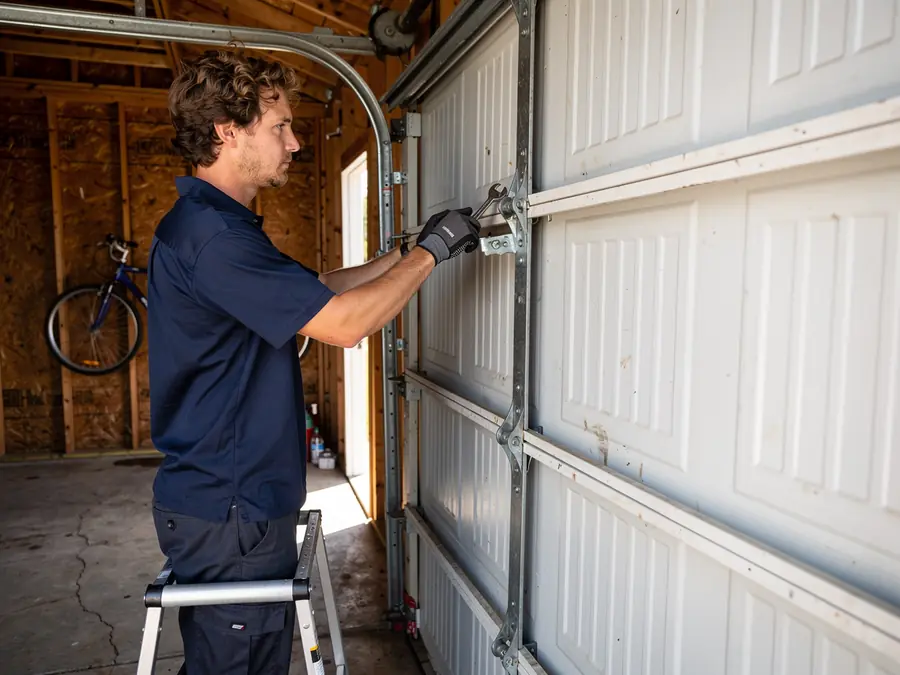
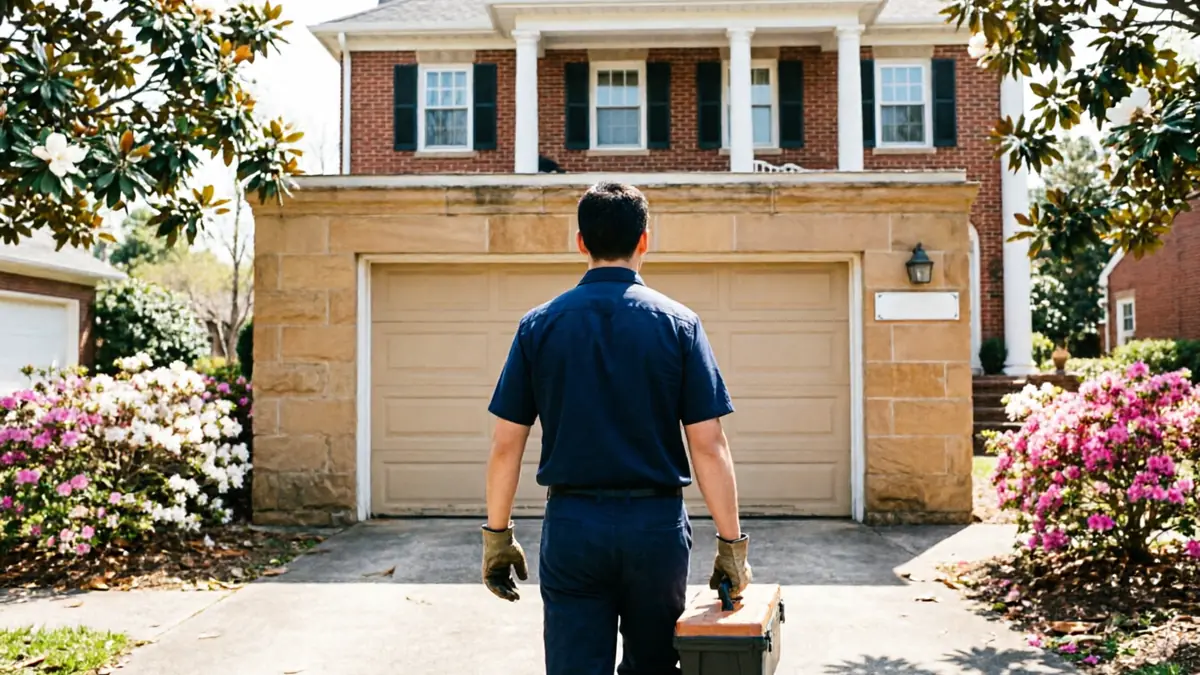
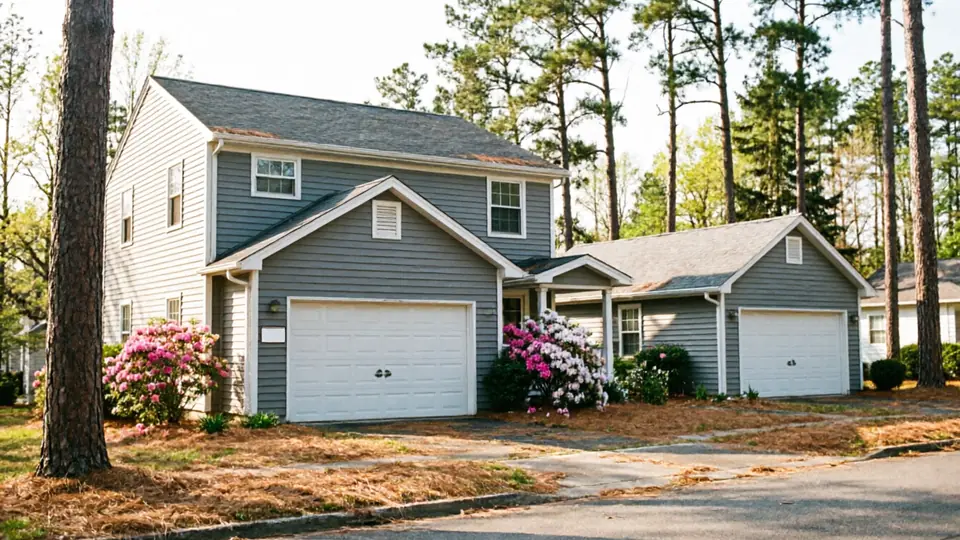
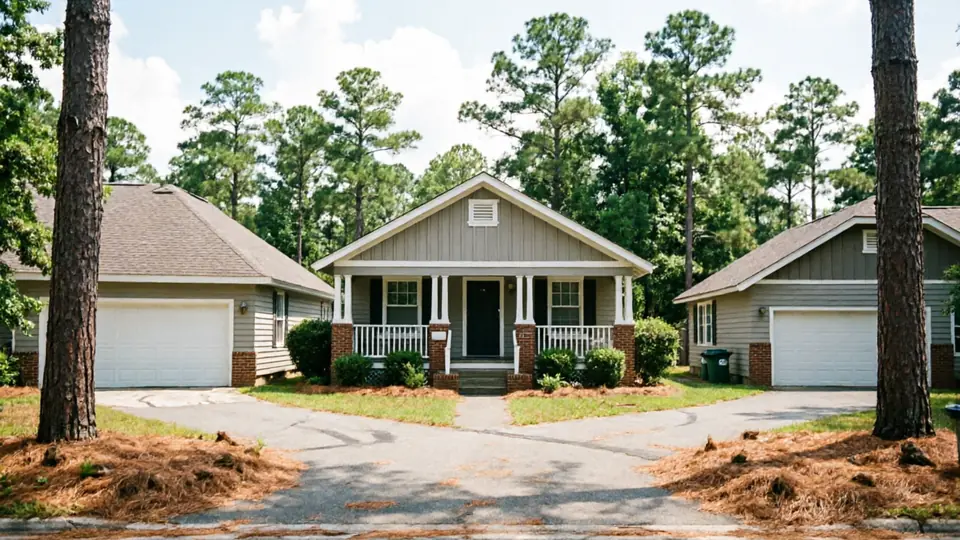
Across the service area, most houses went up between 1967 and 2006, with the median sitting around 1991. That's a wide window, but it means two things in practice: a good share of garage doors and openers are original or close to it, and a good share have already been replaced once. The seven neighborhoods closest to Durham itself lean heavily 1980s-to-90s construction, which is the era of single steel-panel doors on standard torsion springs - reliable hardware, but springs from that period are well past the cycle count where you want to keep babying them along.
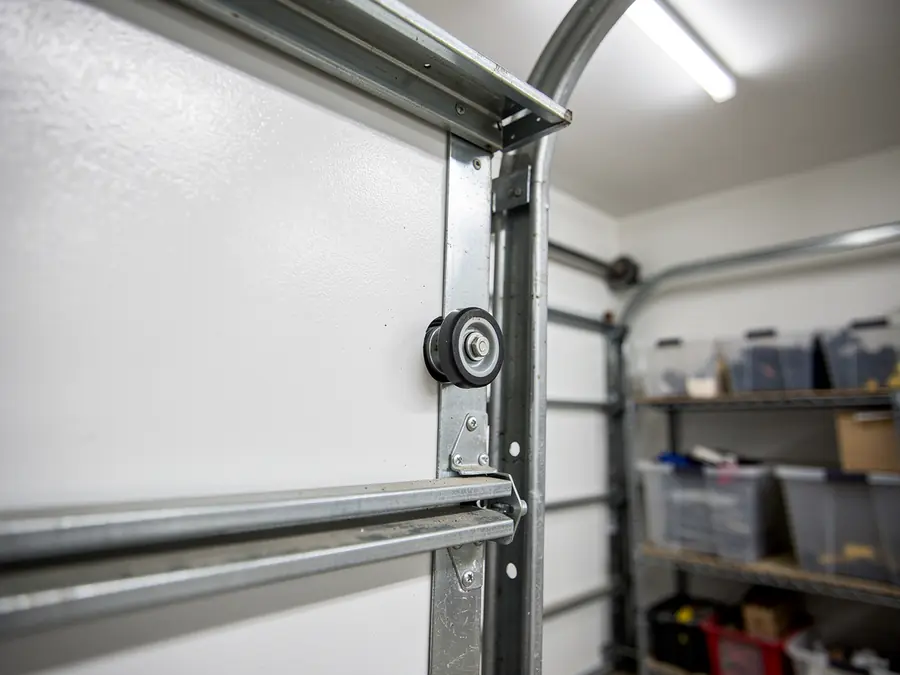
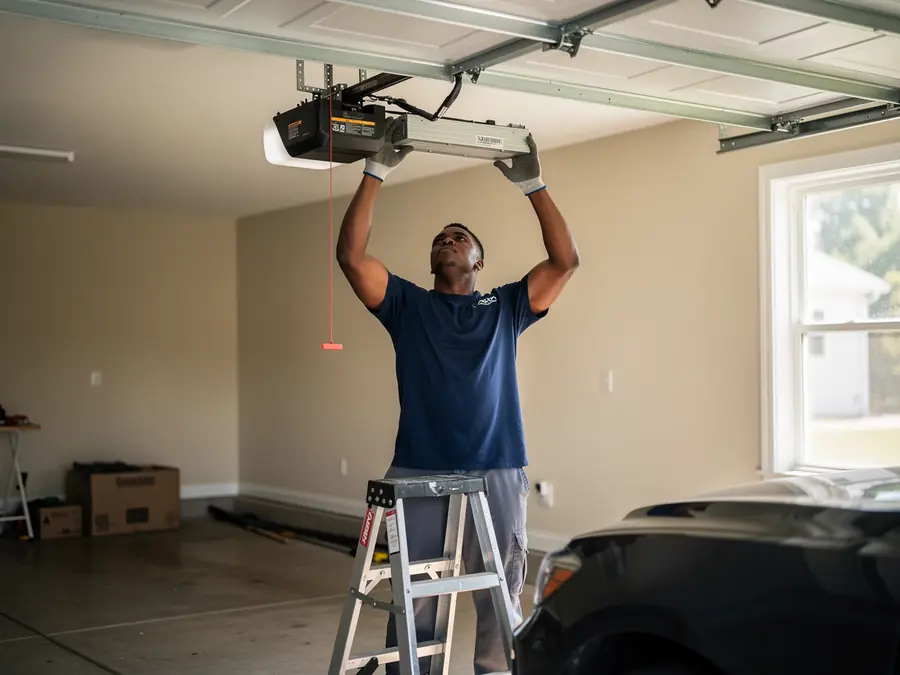
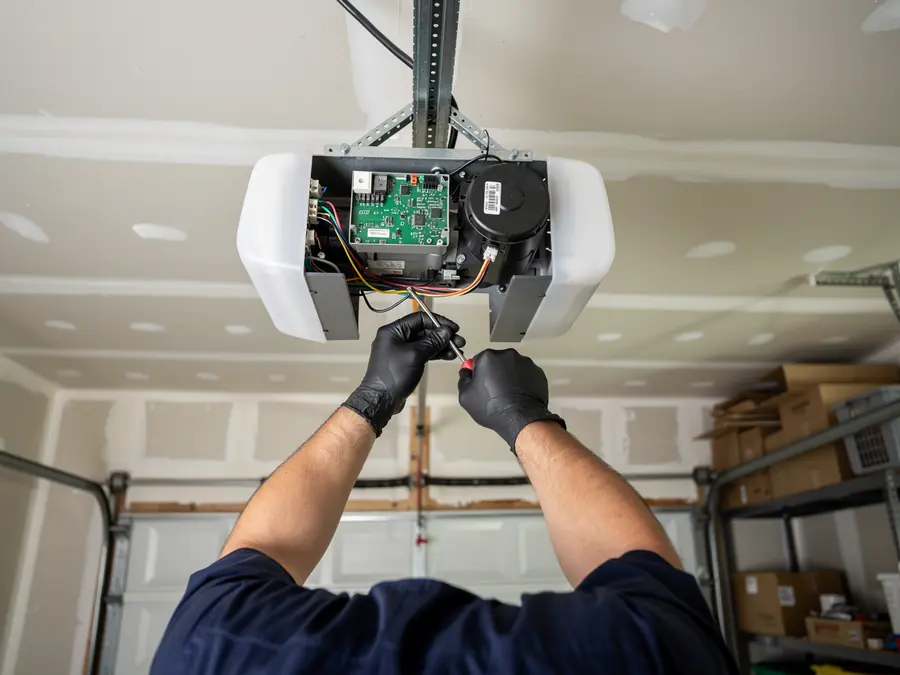
Durham's climate band is cold-moderate, which matters for anything with exposed metal. Rollers and hinges on a door from the 80s or 90s have usually been through enough freeze-thaw cycles that galvanized coating is thinning, and that shows up as rust at the roller stem before it shows up anywhere visible. Openers from that same build era are also hitting the point where the circuit board, not the motor, is what fails first.
With 9,094 owner-occupied houses out of roughly 30,655 households in the area, and a median household income of $77,799, we see a fair number of owners who skip the patch job and go straight to a full spring-and-opener replacement rather than nurse an original system along for another winter.